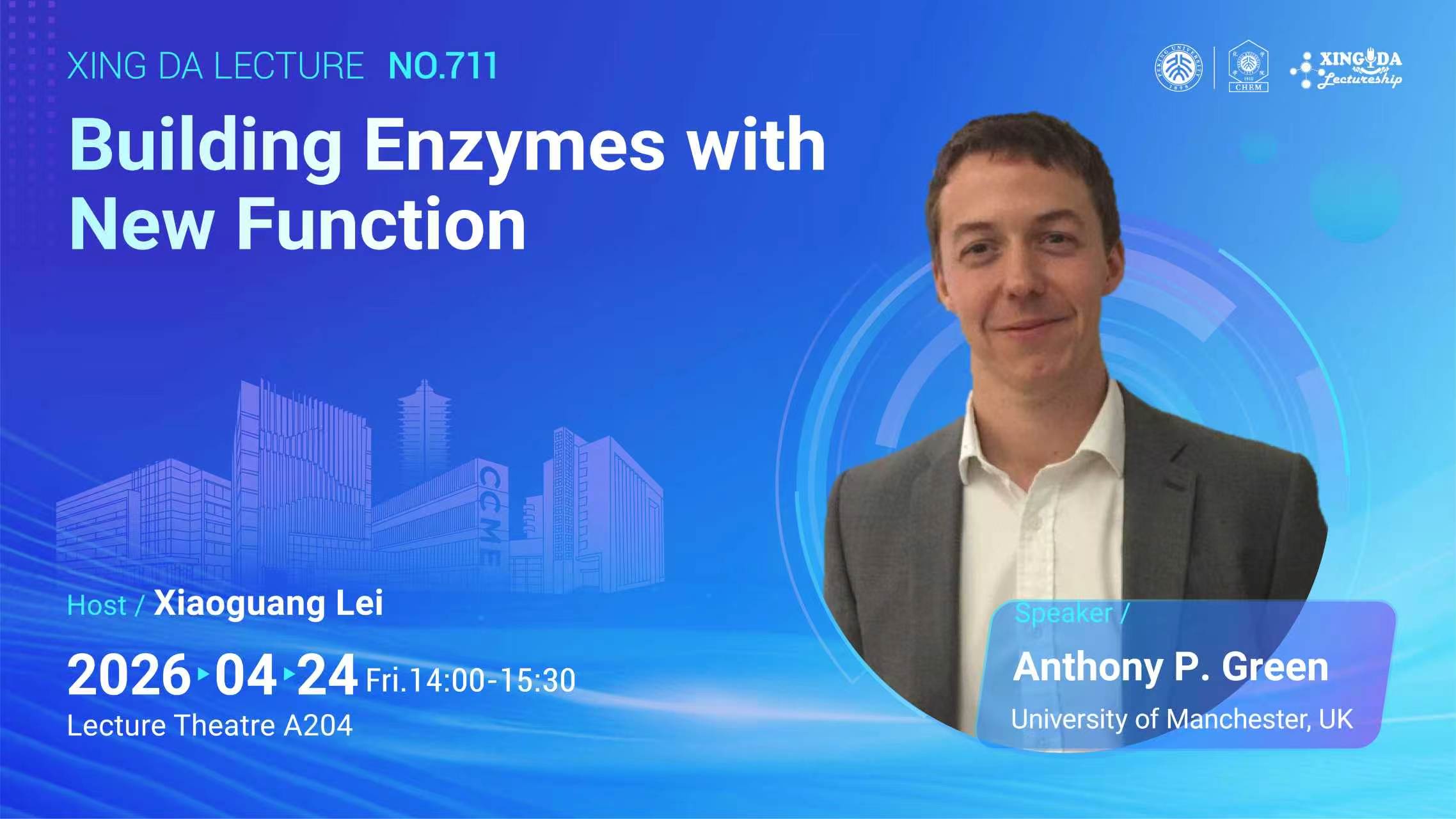
Abstract
Protein cavities can offer highly versatile and engineerable environments for hosting new catalytic sites. However, only a narrow range of functional elements are available to enzyme designers when building new active sites, meaning that many important modes of reactivity are not accessible. Here I will discuss our efforts to overcome these limitations, by encoding new catalytic elements into proteins as non-canonical amino acid side chains. This approach has allowed us to build enzymes with new functions and reactivity modes that were previously inaccessible with protein catalysts. Significantly as our catalysts are genetically encoded, their activities and selectivities can be optimized using directed evolution workflows adapted to an expanded amino acid alphabet. We are optimistic that this integration of enzyme design, genetic code expansion and laboratory evolution can provide a versatile strategy for creating enzymes with catalytic functions not accessible to nature.
Biography
Anthony Green is a Professor of Organic and Biological Chemistry at the University of Manchester and Director of the Manchester Institute of Biotechnology. Following his PhD in synthetic organic chemistry under the supervision of Prof. E. J. Thomas, Anthony carried out postdoctoral research with Prof. Nicholas Turner and Prof. Sabine Flitsch at the University of Manchester.
Following a postdoctoral research position with Prof. Donald Hilvert at ETH Zurich, Anthony started his independent research career in 2016 as a BBSRC David Phillips Fellow based in the Manchester Institute of Biotechnology, where he quickly rose through the ranks to full professor.
Anthony is the Director of the CoEBio3 Centre of Excellence in Biocatalysis and leads the International Centre for Enzyme Design. He is internationally renowned for his work on enzyme design and engineering, and was recently named the 2024 UK Blavatnik Laureate in Chemistry.



 北大化学微信